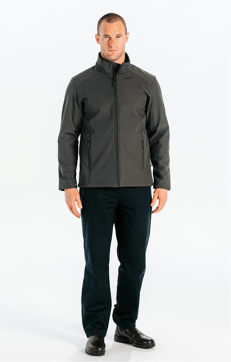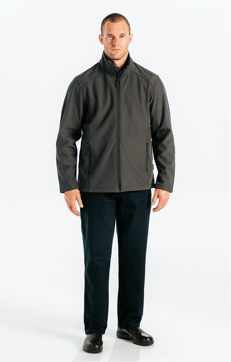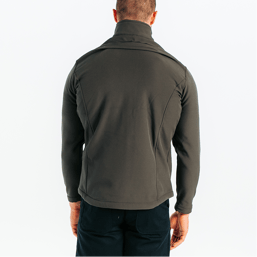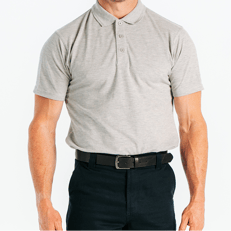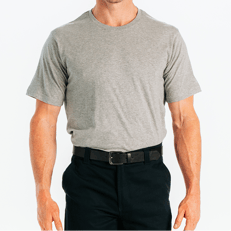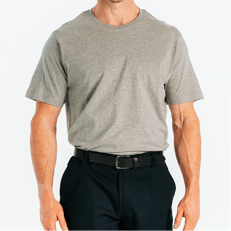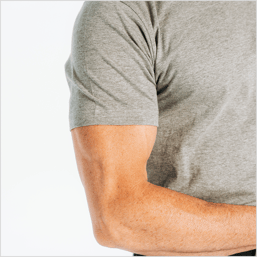
Men's Styles

Your size recommendation is typically for a regular fit: where your garments allow for movement around your arms and legs.

Dress shirts

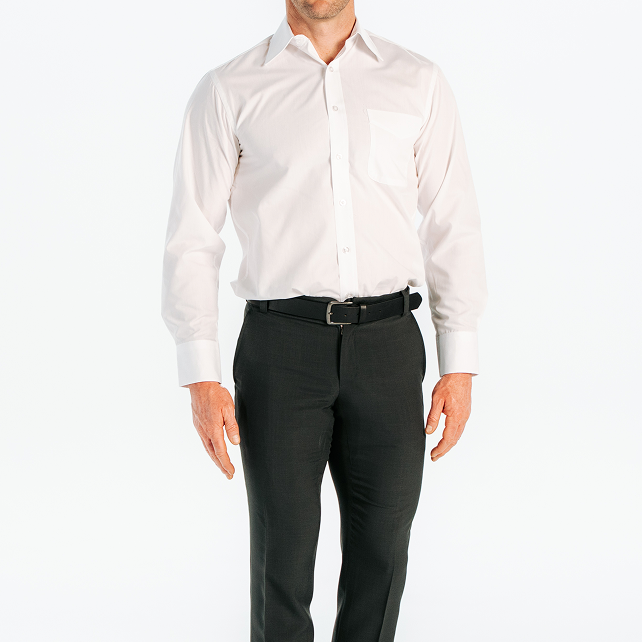
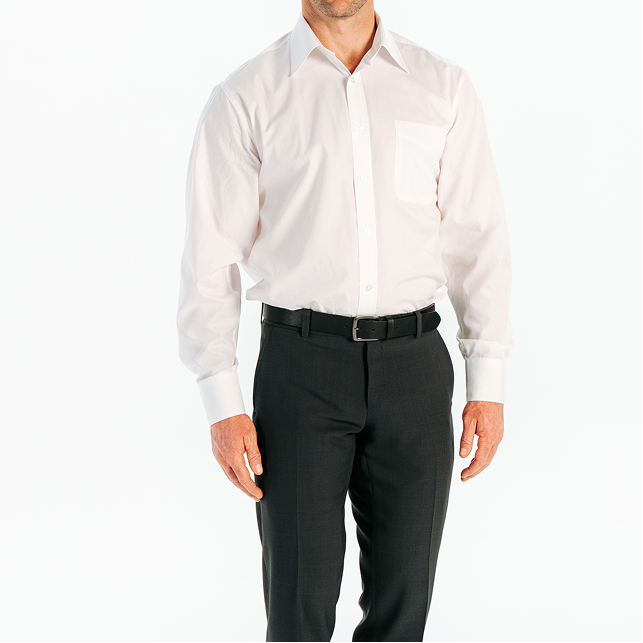
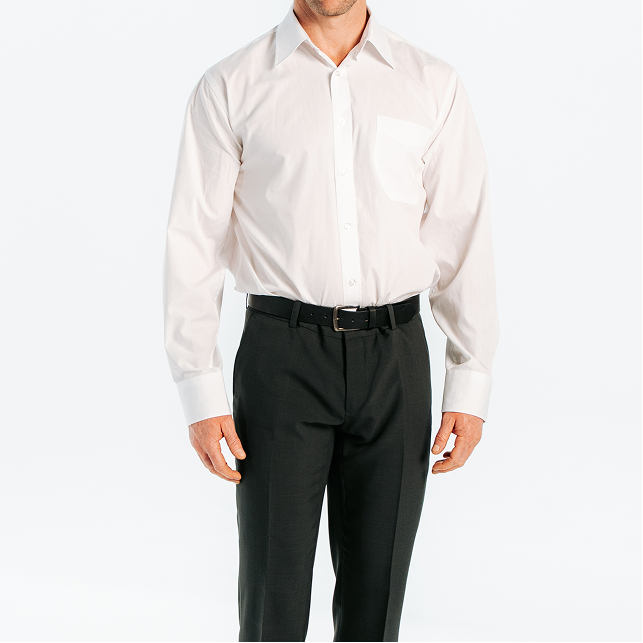
A regular fit dress shirt sits “just right” on the body. Visually, it is not pulling and not billowing. The fabric is not pulling the buttons towards the sides. There’s a little bit of room when you pinch the fabric at the sides of your chest and waist. A good fit should feel easy to move in and look clean and neat without tight pulling lines, and no extra fabric flapping around.

Compare the fits below:

Tight Fit Regular Fit
(Bodd Recommended)
Loose Fit
dressshirt-tight dressshirt-reg dressshirt-loose
Fit can be tight around the shoulders, creating creases. Garment can be pulled up by the upper body when moving. There is a little looseness around the upper body, with an allowance to accommodate movement when arms are pulled up. There is a lot of loose fabric around the chest and stomach areas, or around the sleeves.
Tight Fit

Tight Fit

Fit can be tight around the shoulders, creating creases. Garment can be pulled up by the upper body when moving.

Regular Fit (Bodd Recommended)

Regular Fit (Bodd Recommended)

There is a little looseness around the upper body, with an allowance to accommodate movement when arms are pulled up.

Loose Fit

Loose Fit

There is a lot of loose fabric around the chest and stomach areas, or around the sleeves.

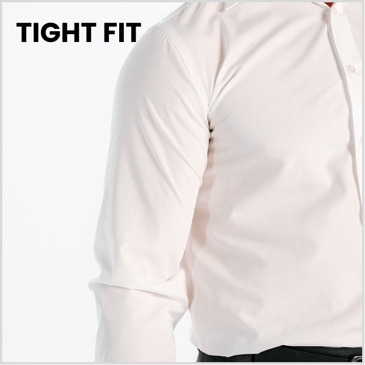
  • dressshirt-arm If the fit is tight, it creases around the arm hole may be more prominent. The garment can be pulled up by the upper body when moving.
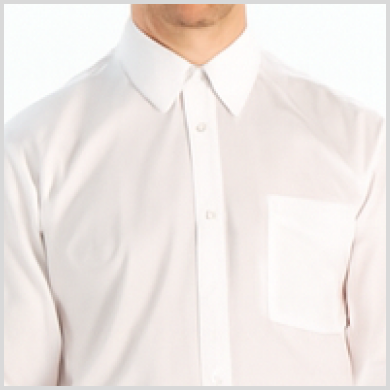
dressshirt-neck A buttoned-up dress shirt collar should sit close to the neck. You should be able to slide one to two fingers comfortably between your neck and the collar.
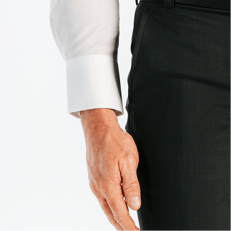
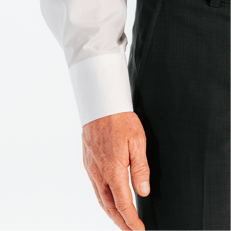
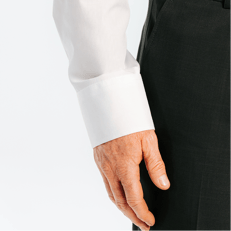
Too short Length is just right Too long
dresshshirt-length-short dresshshirt-length-right dresshshirt-length-long

Suit Jacket or Blazer

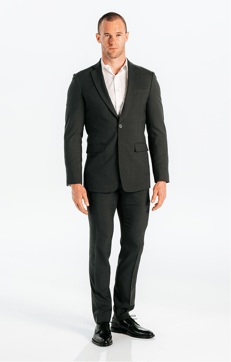
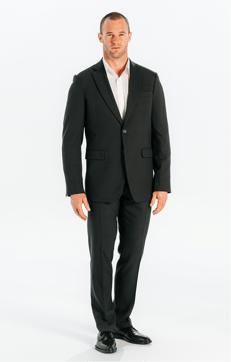
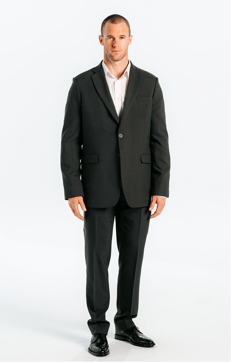
A regular fit suit jacket should look sharp but feel easy to move in. The fit is neither tight nor boxy. The jacket closes comfortably without the button pulling or creating “X” wrinkles across the front. There’s a slight taper at the waist for shape, but you can twist, sit, and reach forward without feeling restricted or seeing the fabric strain.

Compare the fits below:

Tight Fit Regular Fit
(Bodd Recommended)
Loose Fit
suit-tight suit-regular suit-loose
A tight suit jacket will be pulling around the buttons. The fit can be tighter around the upper or lower body, depending on body shape. There is a balanced allowance of fabric around the chest and stomach. There is a lot of loose fabric around the chest and stomach areas, or around the sleeves.
suit-tight

Tight Fit

A tight suit jacket will be pulling around the buttons. The fit can be tighter around the upper or lower body, depending on body shape.

suit-regular

Regular Fit (Bodd Recommended)

There is a balanced allowance of fabric around the chest and stomach.

suit-loose

Loose Fit

There is a lot of loose fabric around the chest and stomach areas, or around the sleeves.

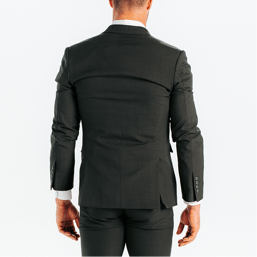
  • suit-tight-back When the jacket is too tight, creases are formed in some parts of the garment, usually visible at the back after pulling arms up.

Car coat

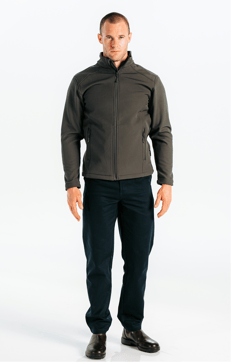
A regular fit car coat should sit neatly on the shoulders, with enough room through the chest and body to wear with a shirt underneath without feeling tight. The fit should allow comfortable movement when walking, driving, or sitting.

Compare the fits below:

Tight Fit Regular Fit
(Bodd Recommended)
Loose Fit
carcoat-tight carcoat-regular carcoat-loose
A tight suit jacket will be pulling around the buttons. The fit can be tighter around the upper or lower body, depending on body shape. There is a balanced allowance of fabric around the chest and stomach. There is a lot of loose fabric around the chest and stomach areas, or around the sleeves.
carcoat-tight

Tight Fit

A tight suit jacket will be pulling around the buttons. The fit can be tighter around the upper or lower body, depending on body shape.

carcoat-regular

Regular Fit (Bodd Recommended)

There is a balanced allowance of fabric around the chest and stomach.

carcoat-loose

Loose Fit

There is a lot of loose fabric around the chest and stomach areas, or around the sleeves.

  • carcoat-tight-back A tight jacket can make some areas look very stretched when worn, creating more creases in tight spots like the arm holes.

Polo shirt

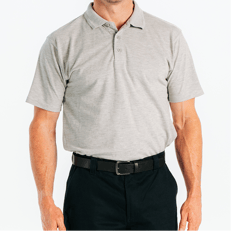
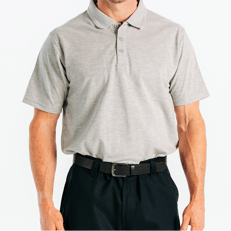
A regular fit polo shirt should sit smoothly on the shoulders and the fabric should sit lightly on (not cling to) the chest and torso, and allow comfortable movement without too much excess fabric. There is light ease for movement and a bit of air between the shirt and body.

Compare the fits below:

Tight Fit Regular Fit
(Bodd Recommended)
Loose Fit
polo-tucked-tight polo-tucked-regular polo-tucked-loose
A tight polo shirt can have a more “filled in” fit in some parts of the body compared to the others. There is a balanced allowance of fabric around the chest and stomach. Sleeves are usually a little loose around the biceps. There is more fabric allowance around the neck and arms or biceps. There is also more looseness around the chest or stomach.
polo-tucked-tight

Tight Fit

A tight polo shirt can have a more “filled in” fit in some parts of the body compared to the others.

polo-tucked-regular

Regular Fit (Bodd Recommended)

There is a balanced allowance of fabric around the chest and stomach. Sleeves are usually a little loose around the biceps.

Loose Fit

Loose Fit

There is more fabric allowance around the neck and arms or biceps. There is also more looseness around the chest or stomach.

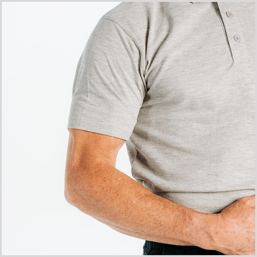
  • polo-tight-arm A tight fit can pull the garment up around the arm hole and may also look tight around the biceps.
T-shirt

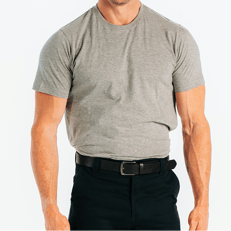
A regular-fit shirt is designed to sit comfortably on the body without clinging. The fabric drapes smoothly over the chest and torso with a small amount of ease or looseness, and there’s enough room to move, sit, and reach without pulling at the seams. It follows the body’s shape without being tight or overly fitted.

Compare the fits below:

Tight Fit Regular Fit
(Bodd Recommended)
Loose Fit
shirt-tight shirt-regular shirt-loose
A tight t-shirt can have a more “filled in” fit in some parts of the body compared to the others. There is a balanced allowance of fabric around the chest and stomach. Sleeves are usually a little loose around the biceps. There is more fabric allowance around the neck and arms or biceps. There is also more looseness around the chest or stomach.
shirt-tight

Tight Fit

A tight t-shirt can have a more “filled in” fit in some parts of the body compared to the others.

shirt-regular

Regular Fit (Bodd Recommended)

There is a balanced allowance of fabric around the chest and stomach. Sleeves are usually a little loose around the biceps.

shirt-loose

Loose Fit

There is more fabric allowance around the neck and arms or biceps. There is also more looseness around the chest or stomach.

  • shirt-tight-biceps A tight fit can pull the garment up around the arm hole and may also look tight around the biceps.

D936 T-shirts :
These shirts are designed to fit tightly and will stretch slightly with wear. If the garment is oversized, the POLICE embroidery on the ribbed collar may sag at the neckline. The D936 is intended to be worn only as an underlayer beneath dress shirts and not as a standalone garment.

Trousers

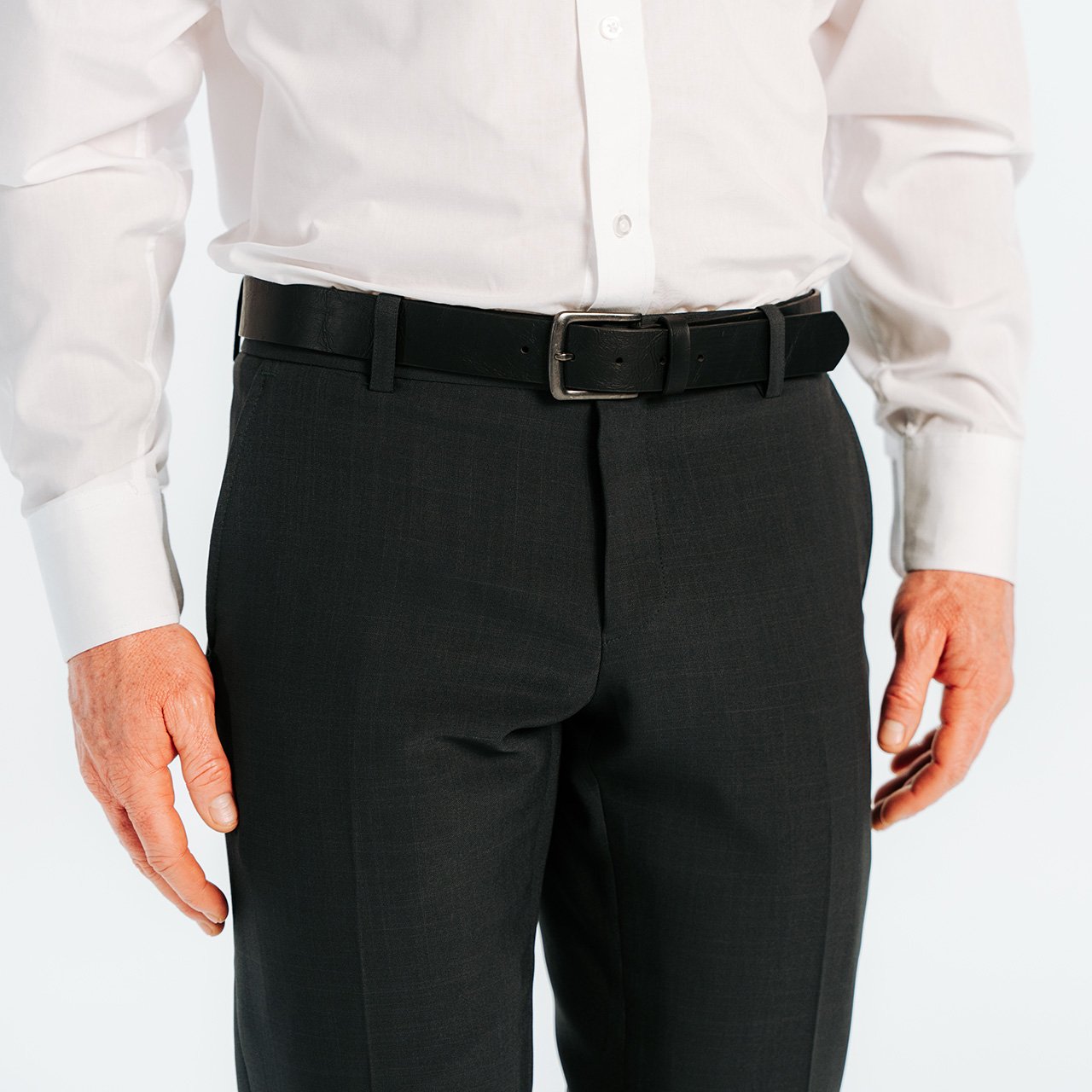
Trousers or pants should be sitting on the trouser waistline, usually under the navel and above the hips. They should not be sitting too low that it creates a lot of extra fabric below the crotch. trousers-1

 T549/T550 GD Dress Trousers :
These trousers should allow full range of movement, and the hem should sit just above the floor when the wearer is not wearing shoes. Wear the trousers at the natural waist; the fit through the seat and crotch should be neat, not loose. Keep all pocket zips closed to allow full mobility when sitting, squatting, kneeling, and running.